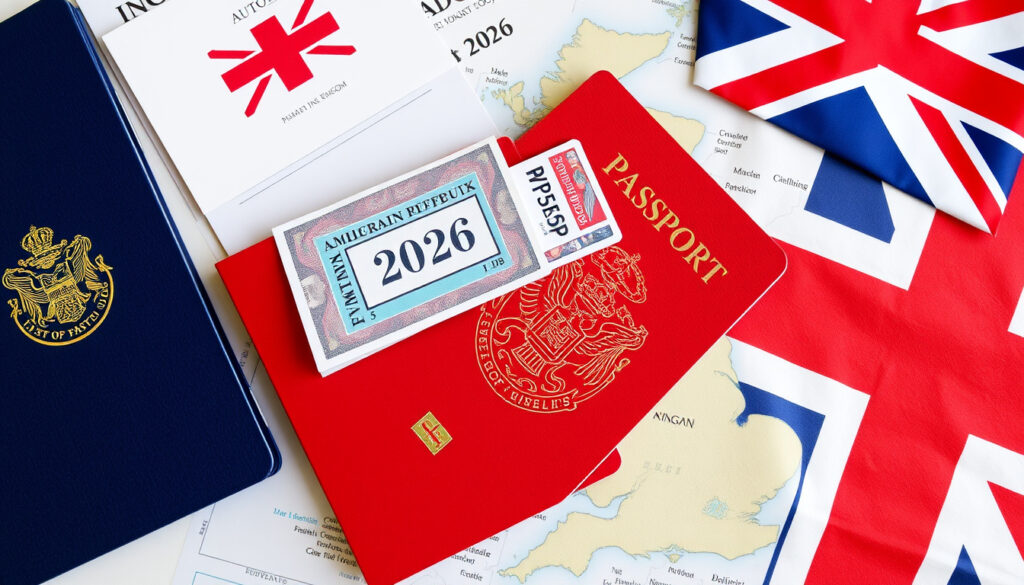
UK Immigration News Today – Key 2026 Visa Reforms
The UK has introduced significant immigration changes affecting skilled workers, international students, family visa applicants, and those seeking settlement. Home Secretary Shabana Mahmood confirmed several reforms in early 2026, with measures taking effect from January and continuing through the year.
Recent updates include stricter English language requirements for skilled worker visas, retrospective changes to Indefinite Leave to Remain criteria, and modifications to the graduate visa route. The Home Office has also updated Electronic Travel Authorisation rules for dual citizens and expanded enforcement measures through the new Fair Work Agency.
What is the latest UK immigration news today?
Home Secretary Shabana Mahmood confirmed on 1 March 2026 that ILR reforms will apply retrospectively to migrants already in the UK.
Skilled Worker and spouse visa routes face elevated requirements including B2 English proficiency and RQF Level 6 skills threshold.
The Fair Work Agency launches in April 2026, expanding the definition of illegal working to include non-employees.
Graduate visas reduce to 18 months from January 2027, while ETA rules for dual citizens changed from 25 February 2026.
Key insights for applicants
- Skilled Worker visa English requirements increased from B1 to B2 level from 8 January 2026
- Over 100 medium-skilled jobs were removed from the Immigration Salary List
- ILR applicants must now meet suitability, integration, and financial contribution criteria
- Non-working dependents may lose the pathway to settlement under new rules
- The graduate visa route reduces from 2 years to 18 months from January 2027
- Care worker visa route closed for new overseas applicants on 22 July 2025
- HPI route expanded to top 100 universities but capped at 8,000 annual applications
Snapshot of recent changes
| Topic | Update | Date |
|---|---|---|
| Skilled Worker English | Requirement raised from B1 to B2 | 8 January 2026 |
| ILR Reforms | Confirmed retroactive application | 1 March 2026 |
| Skills Threshold | RQF Level 6 now required | January 2026 |
| Graduate Visa | Duration reduces to 18 months | 1 January 2027 |
| ETA Rules | Dual citizenship eligibility changed | 25 February 2026 |
| Fair Work Agency | Launches with expanded powers | April 2026 |
| Care Worker Route | Closed for new overseas applicants | 22 July 2025 |
| HPI Universities | Expanded to top 100 with 8,000 cap | 4 November 2025 |
What are the recent UK immigration updates for skilled workers?
English language and skills threshold changes
From 8 January 2026, the English language requirement for Skilled Worker, High Potential Individual (HPI), and Scale-up visas increased from B1 to B2 level. This change affects both main applicants and adult dependents over the age of 18. Exemptions apply to those aged 65 or older and individuals with physical or mental conditions that prevent them from meeting the requirement.
The Skilled Worker visa now requires roles at Regulated Qualifications Framework (RQF) Level 6, equivalent to a bachelor’s degree. This elevation means over 100 medium-skilled jobs were removed from the Immigration Salary List. A Temporary Shortage List (TSL) was introduced to allow employers to recruit overseas workers who do not meet the RQF Level 6 threshold, though this measure is temporary and due to run until 2026.
Workers whose jobs appear on the Immigration Salary List or Temporary Shortage List can no longer bring dependents to the UK under the Skilled Worker route.
High Potential Individual route expansion
The High Potential Individual route doubled its eligible university list from the top 50 to the top 100 global institutions as of 4 November 2025. However, this expansion came with an annual cap of 8,000 applications, covering both initial entry and in-country applications combined. The route continues to offer routes for graduates from qualifying institutions, though the increased competition for limited places means meeting eligibility criteria alone does not guarantee approval.
What is the latest on UK ILR and spouse visas?
Indefinite Leave to Remain reforms
Home Secretary Shabana Mahmood confirmed on 1 March 2026 that proposed ILR reforms will apply retrospectively, affecting migrants who are already in the UK under existing visas. This retroactive application marks a significant departure from previous practice, where immigration rules typically applied only from the date of announcement forward.
Three mandatory criteria now apply to all settlement applications. The suitability requirement means applicants must have no outstanding debt to the Home Office and no criminal convictions. The integration requirement includes passing the Life in the UK test and demonstrating English language proficiency at B2 level. The contribution requirement is under consultation but currently proposes annual earnings above £12,570 for a period of 3 to 5 years.
Impact on non-working dependents
Non-working dependents may need to change their immigration status or may never achieve ILR under the new framework. This represents a significant shift from current rules, where dependents can gain settlement without meeting work-based requirements. Applicants holding non-working dependent visas should seek legal advice on their options before the reforms take full effect.
During the settlement period, all visa holders must renew their permission every 30 months rather than relying on continuous leave. This change increases administrative requirements and associated costs for families pursuing settlement together.
Visa holders already in the UK when reforms were announced on 1 March 2026 may find their settlement pathway altered. Those approaching the five-year ILR threshold should review their status with a qualified immigration adviser.
Family visa route changes
Changes to the Family visa route are expected following the Migration Advisory Committee (MAC) Review, with recommendations anticipated in mid-2025. The review may lead to modifications in financial requirements, English language thresholds, or the relationship evidence needed to support applications. Applicants awaiting decisions or planning future applications should monitor Home Office announcements for updates.
Updates on illegal immigration in the UK today?
Expanded illegal working regime
The expanded illegal working regime is expected to be implemented in 2026, with the Fair Work Agency launching in April. This new enforcement body will take responsibility for identifying and prosecuting employers who breach immigration rules. The definition of illegal working is expanding to include non-employees, meaning individuals who engage contractors or gig workers without proper right-to-work checks may face penalties.
Employers should ensure their recruitment processes include thorough Check Right to Work – UK Employers Full Guide procedures for all workers, including contractors and temporary staff. The expanded definition significantly increases the scope of potential violations.
Core protection status for refugees
Core protection status will replace the traditional refugee status, providing 30 months of leave at a time rather than longer periods. If a refugee’s country of origin is deemed safe during the settlement period, they may not be able to renew their visa and could face voluntary or forcible removal. This change affects those who have already received protection and those applying for asylum.
UK immigration news for international students?
Graduate visa route reductions
The graduate visa route has been substantially reduced under recent reforms. From 1 January 2027, the duration of graduate visas will decrease from 2 years to 18 months for bachelor’s and master’s degree holders. PhD holders will retain access to 3-year graduate visas, reflecting the longer duration of doctoral programmes.
Stricter pathways and pass mark requirements are being implemented for foreign student enrolment at UK universities. These changes aim to ensure only genuine students with appropriate academic preparation enter the country, while reducing the overall number of individuals using the graduate route as an alternative pathway to work.
Students who began their studies before the changes take effect may retain eligibility for the 2-year graduate visa. Those starting new courses should confirm their status and visa duration with their institution’s international student office.
Care worker route closure
The care worker visa route for new overseas applicants was closed on 22 July 2025. Applicants already in the UK on this route can still switch visas or extend their stay, but no new applications from overseas will be accepted. This closure affects care workers in the health and social care sectors who had previously used this pathway to enter the UK.
When did these UK immigration changes take effect?
The following timeline summarizes key immigration changes implemented from 2025 through early 2026:
- – Care worker visa route closed for new overseas applicants
- – HPI route expanded to top 100 universities with 8,000 annual cap
- – English requirement raised from B1 to B2 for Skilled Worker, HPI, and Scale-up visas
- – Skills threshold elevated to RQF Level 6; over 100 medium-skilled jobs removed from ISL
- – ETA eligibility changed for UK and Irish dual citizens
- – Home Secretary confirmed ILR reforms apply retrospectively
- – Fair Work Agency launches with expanded illegal working enforcement
- – Graduate visa duration reduces to 18 months (PhD holders: 3 years)
What is confirmed versus still uncertain?
| Established Information | Information That Remains Unclear |
|---|---|
| English requirement raised to B2 from 8 January 2026 | Exact duration of contribution requirement (3-5 years) still under consultation |
| ILR reforms apply retrospectively from 1 March 2026 | Final financial thresholds for family visa changes following MAC review |
| Graduate visa reduces to 18 months from January 2027 | Specific pass mark requirements for international student enrolment |
| Fair Work Agency launching April 2026 | Precise scope of expanded illegal working definition |
| Care worker route closed for new overseas applicants | Whether TSL will be extended beyond 2026 |
| ETA rules updated for dual citizens from 25 February 2026 | Long-term impact on migration figures from new restrictions |
Why are these UK immigration changes happening?
The UK government’s immigration reforms reflect broader policy objectives around reducing net migration, ensuring skills-based entry, and controlling access to public services and settlement pathways. The elevation of English language requirements and skills thresholds aims to ensure that incoming workers can integrate effectively and contribute to the economy.
The retrospective application of ILR reforms marks a significant policy shift, suggesting the government believes existing migrants should meet current standards before gaining permanent residence. This approach aligns with the post-Brexit points-based immigration system, which emphasizes skills, earnings, and integration over family-based settlement.
The closure of the care worker route and restrictions on dependent bringing reflect concerns about large volumes of migration through health and social care sectors. The annual cap on HPI applications and the graduate visa reduction respond to similar concerns about international students remaining in the UK after their studies.
Where to find official sources and updates?
Several official sources provide authoritative information on UK immigration policy. The Home Office and UK Visas and Immigration publish detailed guidance on all visa routes, policy updates, and forms on their official website.
The Home Office has implemented significant changes affecting multiple visa routes in early 2026. Applicants should verify current requirements with official guidance before submitting applications.
— Official UKVI communications, January 2026
Parliamentary news on immigration can be followed through parliamentary publications, while news organizations provide coverage of policy debates and migration statistics. Those with specific circumstances should consult qualified immigration advisers for personalized guidance.
- Home Office official communications
- GOV.UK immigration and visa information
- Temporary Shortage Occupation List details
- Life in the UK test official resources
Those seeking information on financial support during the settlement process may find DWP Cost of Living Payments – Eligibility Dates and £900 Guide useful for understanding available benefits, though eligibility criteria for migrants differ significantly from general population provisions.
Summary of UK immigration changes
UK immigration policy has undergone substantial reform in early 2026, with changes affecting skilled workers, students, refugees, and family applicants. The increase in English language requirements to B2 level, elevation of skills thresholds, and retrospective application of ILR reforms represent the most significant alterations to settlement pathways in recent years. Applicants should verify current requirements through official Home Office guidance and consider seeking qualified legal advice given the complexity of these changes.
What are new immigration rules UK?
New immigration rules include B2 English requirements for Skilled Worker visas from January 2026, ILR reforms with suitability and contribution criteria, and reduced graduate visa duration from January 2027.
How to check immigration status?
Immigration status can be verified through the online view and prove your immigration status service, or by requesting a share code through the gov.uk website.
Skilled worker visa UK requirements?
Skilled Worker visas require RQF Level 6 qualifications, B2 English proficiency from 8 January 2026, and appropriate salary thresholds. Dependents face restrictions if the job is on the ISL or TSL.
Can I still apply for ILR as a dependent?
Non-working dependents may need to change status or may never achieve ILR under new rules. Those currently on dependent visas should seek legal advice on available options.
When do graduate visa changes take effect?
Graduate visa duration reduces from 2 years to 18 months from 1 January 2027. PhD holders retain 3-year visa eligibility.
What is the Temporary Shortage List?
The TSL allows recruitment of overseas workers who do not meet the RQF Level 6 threshold for jobs on the shortage occupation list. This measure runs until 2026.
Who is affected by the Fair Work Agency launch?
Employers across all sectors should prepare for expanded enforcement of illegal working laws. The definition now includes non-employees such as contractors and gig workers.
More related posts
 Symptoms of Motor Neurone Disease – Early Signs to Know
 Premier League Darts 2025 – Winner, Results and Full Schedule
 Cast of Peter Pan 2003 – Full Guide to Actors and Roles
 Minimum Wage Increa e 2025 – New UK Rate and Key Change
 Leonardo Royal London St Paul’s – Location, Reviews and Amenities
 Jordi Cruyff – Biography, Career Timeline and New Ajax Role
 Hs Tikky Tokky – Biography, Court Case for Dangerous Driving, and Louis Theroux Documentary
 Caught Stealing (2025) – Cast, Plot and Everything You Need to Know