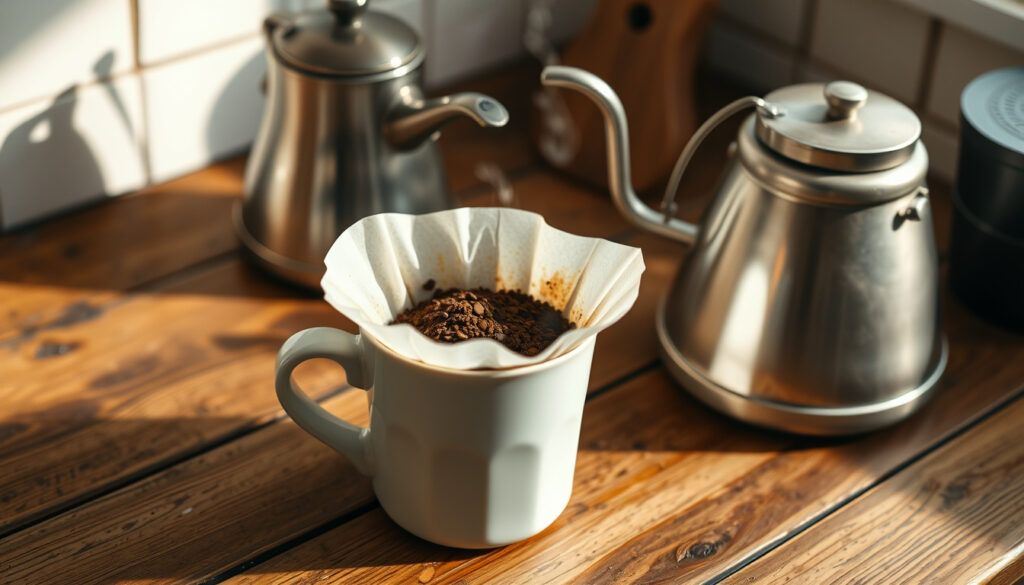
How to Make Coffee – Simple Steps Without Machines
Coffee is one of the most consumed beverages worldwide, yet many people rely on machines or cafés to get their daily cup. The truth is that brewing quality coffee at home requires neither expensive equipment nor barista skills. With a handful of basic ingredients and a few straightforward steps, anyone can prepare a satisfying cup using simple tools found in most kitchens.
This guide covers everything from selecting the right ingredients to mastering the fundamental techniques that professional coffee experts recommend. Whether you prefer your coffee black, with milk, or made entirely without a machine, understanding these core principles will help you achieve better results consistently.
What Are the Basic Ingredients for Coffee?
The foundation of any good cup of coffee lies in four essential components. Water constitutes approximately 98% of your final drink and directly affects taste, so using filtered water when possible produces cleaner results. Coffee grounds—whether whole beans ground at home or pre-ground—provide the flavor compounds that define the beverage. Heat transforms these grounds, extracting oils and compounds that create the characteristic aroma and body.
Coffee grounds (10-15g per serving), filtered water (200-250ml), optional milk, optional sweetener
None required (stovetop) to advanced (grinder, scale, kettle)
2–10 minutes depending on method chosen
1–4 cups per preparation session
Water Quality and Temperature
The Specialty Coffee Association (SCA) recommends brewing with water between 195°F and 205°F (90°C to 96°C) for optimal extraction. Water that is too hot extracts bitter compounds prematurely, while water that is too cool fails to draw out the desirable flavors. Letting water rest for 30 seconds after boiling typically achieves the ideal range.
Coffee-to-Water Ratios
Standard brewing uses a ratio of approximately 1:16 (coffee to water by weight), which translates to about 10-12 grams of coffee per 200ml of water. Adjusting this ratio allows you to customize strength—stronger coffee uses more grounds, while milder coffee uses less.
- Use freshly ground beans whenever possible for maximum flavor
- Filter water to remove chlorine and minerals that affect taste
- Measure coffee by weight for consistency rather than volume
- Store coffee in airtight containers away from light and heat
- Avoid pre-ground coffee that has been open for more than two weeks
- Clean brewing equipment regularly to prevent oil buildup
- Experiment with ratios to find your preferred strength
| Parameter | Recommended Value |
|---|---|
| Coffee:Water Ratio | 1:16 |
| Ideal Water Temperature | 195–205°F (90–96°C) |
| Grind Size | Medium (table salt consistency) |
| Brew Time | 4–5 minutes for immersion methods |
| Coffee Amount (per cup) | 10–15g |
| Water Amount (per cup) | 200–250ml |
What Are the 7 Steps to Make Coffee?
Brewing coffee involves seven distinct phases that transform raw materials into the finished beverage. Each step contributes to the final taste and quality, making consistency across all phases essential for reliable results.
Step 1: Heat the Water
Begin by heating your water to the target temperature range. If using a stovetop, bring water to a rolling boil and then remove from heat, allowing it to cool for approximately 30 seconds. The goal is small steam wisps rather than violent bubbling, indicating the water has reached the optimal temperature for extraction.
Step 2: Measure and Grind
Measure your coffee using a scale for accuracy, aiming for 10-15 grams per serving. Grind beans to a medium consistency—finer than sea salt but coarser than powdered sugar. Fresh grinding immediately before brewing preserves volatile aromatic compounds that degrade rapidly after exposure to air.
Step 3: Bloom the Coffee
Pour a small amount of hot water (approximately twice the coffee’s weight) over the grounds and wait 30-45 seconds. This process, called blooming, allows carbon dioxide to escape and ensures even saturation of the grounds. You will observe the grounds bubbling and expanding slightly.
Step 4: Add Remaining Water
Slowly pour the remaining water in a circular motion, ensuring all grounds receive equal contact with water. The circular pattern promotes even extraction by preventing dry pockets in the coffee bed.
Step 5: Steep or Press
Allow the coffee to steep for the appropriate duration based on your chosen method. French press requires four minutes of steeping before pressing, while pour-over methods involve continuous gentle pouring over several minutes.
Step 6: Separate and Serve
Once extraction is complete, separate the grounds from the liquid either by pressing, filtering, or simply decanting. Avoid letting brewed coffee sit on grounds any longer than necessary, as over-extraction begins immediately and produces bitter flavors.
Step 7: Clean and Store
Clean all equipment thoroughly after each use to prevent residue buildup that affects future brews. Allow components to dry completely before storing. If brewing multiple servings, prepare them promptly rather than keeping them warm, as prolonged heat degrades flavor.
Start with a simple stovetop method: use 1 teaspoon of instant coffee mixed with hot water and a hand whisk for 1-2 minutes to create a creamy base before adding heated milk. This achieves café-style results without any special equipment.
How to Make Coffee Without a Machine?
Modern coffee culture often emphasizes expensive equipment, but excellent coffee requires only basic tools. Several proven methods allow you to brew quality coffee using items already present in most kitchens.
Stovetop French Press Alternative
Combine 15 grams of ground coffee with 250ml of water in a saucepan. Heat gently over medium flame, stirring occasionally, for four minutes without allowing it to boil vigorously. Pour through a fine-mesh strainer lined with a paper towel to achieve results comparable to a French press.
Instant Coffee Method
Perhaps the most accessible machine-free option involves instant coffee granules. According to Nescafé’s coffee brewing guidelines, using water at 80°C produces superior results compared to boiling water, which extracts unwanted bitterness from instant coffee.
Video demonstrations from multiple sources show the whisking technique: combine coffee powder with sugar, add 2-4 tablespoons of hot water heated on the stovetop to approximately 80-90°C, then whisk vigorously for 1-2 minutes until the mixture becomes light brown and frothy with soft peaks. This creates the creamy coffee cream base that professional baristas describe.
Kettle and Mug Technique
Heat water in any pot on your stovetop until it reaches the target temperature. Place 1-1.5 teaspoons of instant coffee (or 10-12g of ground coffee wrapped in a paper filter) in your mug. Pour hot water over the coffee, stir gently, and wait three to four minutes for the grounds to settle before drinking.
Waiting 30 seconds after your stovetop water boils ensures it reaches the ideal 80°C range. Boiling water (100°C) extracts excessive bitterness from coffee grounds and damages instant coffee’s delicate compounds.
How to Make Coffee with Milk?
Adding milk to coffee creates a softer, creamier beverage that many people prefer for daily consumption. The technique varies depending on whether you are using espresso, instant coffee, or brewed coffee as your base.
Dairy Milk Options
Whole milk and full-cream milk produce the richest results due to their higher fat content. The fat molecules carry coffee oils and create a smoother mouthfeel. Heating milk to approximately 80°C—just below boiling—maximizes frothing capability, which sources including cafely.com’s instant coffee recipe guide recommend for achieving the best texture.
Plant-Based Alternatives
Oat milk and almond milk have gained popularity as dairy substitutes. Oat milk provides natural sweetness and froths well, though it requires slightly longer whisking to achieve texture comparable to dairy. Soy milk offers protein content closer to dairy but can curdle when added to very hot coffee.
Classic Latte at Home
For a latte-style drink without an espresso machine, combine 180ml of heated milk with the frothed coffee base created through the whisking method. Holding back some foam with a spoon and letting it settle on top creates the distinctive layered appearance that characterizes café lattes.
Making Coffee with Nescafé and Milk
The stovetop method for Nescafé instant coffee with milk follows a specific sequence that multiple video tutorials demonstrate consistently. First, whisk together instant coffee powder, sugar, and a small amount of hot water until a thick foam forms. Then heat milk separately on the stovetop until steaming but not boiling. Finally, pour the hot milk into the coffee foam while stirring gently to combine.
Never pour boiling milk directly into coffee—this scalds the milk and produces a flat, unpleasant taste. Always heat milk until small wisps of steam appear, then proceed immediately to mixing.
How Long Does Each Brewing Step Take?
Understanding timing helps coordinate the brewing process and ensures each phase receives adequate attention without unnecessary delays.
- Boiling water: 1–2 minutes on stovetop, depending on initial water temperature
- Cooling to ideal temperature: 30 seconds to 1 minute after boiling
- Measuring and grinding: 30–60 seconds with a quality grinder
- Blooming phase: 30–45 seconds for fresh grounds
- Main extraction: 2–4 minutes depending on chosen method
- Settling or pressing: 30–60 seconds for final separation
- Serving: immediate to preserve optimal temperature
Total preparation time ranges from 5 minutes for instant methods to 10 minutes for manual pour-over techniques.
What Is Established Knowledge Versus Uncertainty in Coffee Brewing?
Established facts
- Coffee-to-water ratio affects strength predictably
- Water temperature between 90–96°C yields optimal extraction
- Fresh grinding produces better flavor than pre-ground
- Blooming releases carbon dioxide for even saturation
- Instant coffee requires no grinding equipment
- Dairy milk froths best due to protein structure
Areas of uncertainty
- Optimal grind size varies by personal preference
- Ideal coffee origin differs by individual taste
- Storage duration effects depend on packaging quality
- Plant milk frothing success varies by brand
- Roast level preferences remain subjective
How Did Home Coffee Brewing Develop?
Coffee originated in Ethiopia and spread through the Middle East before reaching Europe in the 17th century. Early brewing involved simply boiling ground beans in water, producing a strong, bitter beverage vastly different from modern methods.
The French press was invented in 1929, revolutionizing home brewing by allowing direct immersion and simple separation. The pour-over method evolved from earlier drip techniques, gaining popularity among specialty coffee enthusiasts seeking maximum control over extraction variables.
Instant coffee emerged in the early 20th century, providing convenient access to coffee without equipment. Brands like Nescafé developed production processes that preserved flavor while eliminating the need for brewing entirely. According to Nescafé’s official guidance, the company emphasizes water temperature control even for their instant products, acknowledging that quality extends beyond convenience.
Modern specialty coffee culture emphasizes technique over equipment, with methods like the 4-6 ratio (coffee to water) and SCA temperature standards becoming accessible to home brewers through numerous online resources and video demonstrations.
What Do Experts Say About Brewing Coffee?
“The foundation of great coffee begins with understanding that extraction is chemistry—and chemistry requires precision in both temperature and time.”
— Specialty Coffee Association brewing standards
The SCA maintains that water quality, temperature consistency, and proper ratio application represent the three pillars of reproducible brewing. Their standards influence both professional and home coffee culture through certification programs and published guidelines.
“For instant coffee, the 80°C rule is essential—water that has boiled removes bitterness compounds that should remain in the final cup.”
— Nescafé coffee preparation guide
Video demonstrations from multiple YouTube baristas emphasize the whisking technique for creating foam without machines, showing that hand whisking for 1-2 minutes produces comparable results to mechanical frothing devices.
Final Thoughts on Making Coffee at Home
Coffee brewing combines science with personal preference, allowing tremendous flexibility within a framework of established principles. Starting with quality ingredients—fresh coffee, clean water, and proper temperatures—yields reliable results even with minimal equipment.
The methods described above provide multiple entry points depending on available tools and time constraints. Instant coffee offers immediate accessibility for beginners, while French press and pour-over methods reward those seeking deeper engagement with the brewing process. For those curious about other breakfast staples, How to Cook Bacon in Air Fryer covers complementary cooking techniques that share the same emphasis on simplicity and kitchen accessibility.
Understanding that Is Bicarbonate of Soda the Same as Baking Soda explores ingredient substitutions extends this practical knowledge to other areas of home cooking, creating a broader foundation for kitchen confidence.
What equipment do I need to start making coffee at home?
You can begin with nothing more than hot water and instant coffee. A stovetop pot, spoon, and microwave or burner for heating water suffices for all described methods.
Can I make coffee without grinding beans?
Yes. Instant coffee eliminates the need for grinding entirely. Alternatively, many grocery stores offer pre-ground coffee suitable for stovetop brewing methods.
What milk produces the best froth for coffee?
Dairy whole milk froths most reliably due to protein structure. Among plant milks, oat milk typically achieves the closest texture to dairy foam.
How do I know if my water temperature is correct?
For stovetop heating, remove water from heat once it reaches a rolling boil, then wait 30 seconds. This brings temperature to the ideal 80-90°C range.
What causes coffee to taste bitter?
Over-extraction from water that is too hot, brewing for too long, or using too fine a grind all contribute to bitterness. Adjusting any of these variables typically resolves the issue.
How long does brewed coffee stay fresh?
Freshly brewed coffee tastes best within 15-30 minutes of preparation. Beyond this window, flavor compounds begin degrading significantly.
More related posts
 Football Scores for Today – Premier League and European Fixtures
 John Lewis Christmas Advert – 2025 Song, Story and Reviews
 Black and White Dunks – Sizes, Prices and Availability
 adhd in adult women
 Turmeric and Black Pepper – Benefits Dosage Science
 English to Hindi Translation – Best Free Apps and Guides
 Nigel Slater – Biography, Books and Private Life in 2025
 iPhone 17 Release Date – Confirmed Timeline, Models and Prices