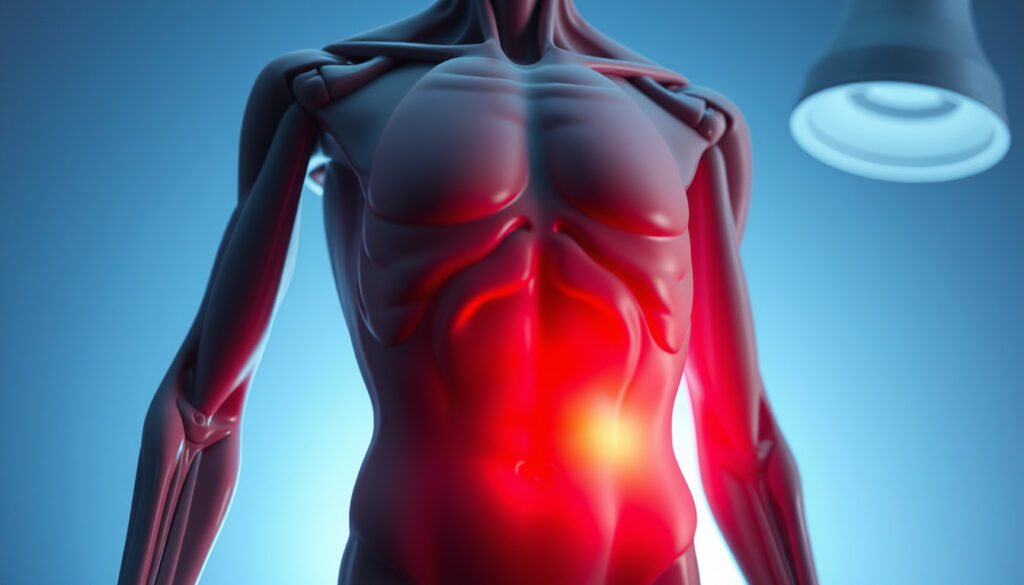
Lower Left Abdominal Pain – Causes in Women and Men
Lower left abdominal pain can range from a minor nuisance to a signal of something more serious. The sensation—often described as sharp or stabbing—may appear near the hip bone or higher up on the left side, and it affects both females and males for different reasons. Understanding the root cause depends on several factors, including age, sex, accompanying symptoms, and whether pregnancy might be involved. This guide breaks down the most common causes, key differences between sexes, warning signs that require medical attention, and what steps to take next.
Digestive issues like trapped gas or constipation frequently trigger temporary discomfort on the lower left. However, conditions such as diverticulitis, irritable bowel syndrome, or inflammatory bowel disease can produce sharper, more persistent pain that warrants evaluation. For females, gynecological factors add another layer of complexity—ovarian cysts, endometriosis, and especially ectopic pregnancy can manifest as severe one-sided pain that demands urgent care.
This article draws on authoritative medical sources to provide a clear, evidence-based overview of what might be causing lower left abdominal pain, organized by gender, symptom type, and urgency level.
What Causes Lower Left Abdominal Pain in Females?
Lower left abdominal pain in females often stems from gynecological conditions that are specific to the female reproductive system. These causes can produce sharp, localized pain that may radiate toward the hip bone or lower back. According to Alho Gyn, one-sided sharp pain in this region frequently points to ovarian or uterine issues, and pregnancy can significantly heighten the risk of certain emergencies.
Ectopic pregnancy represents the most critical gynecological cause. When an embryo implants outside the uterus—most commonly in a fallopian tube—it causes sharp, severe pain on one side accompanied by spotting or nausea, according to Medical News Today. This is a medical emergency requiring immediate intervention.
Females experiencing sharp lower left abdominal pain alongside vaginal bleeding, dizziness, or nausea should seek emergency care immediately, as these may indicate ectopic pregnancy. According to Ubie Health, this condition can become life-threatening if not addressed promptly.
Ovarian cysts and torsion also produce stabbing pain that may radiate to the back or thighs, along with bloating and nausea, as noted by NEC24. Endometriosis—where tissue similar to the uterine lining grows outside the uterus—causes chronic sharp or cramping pain that typically worsens during menstrual periods, per Medical News Today.
Other female-specific causes include mittelschmerz (ovulation pain occurring mid-cycle), pelvic inflammatory disease (which may involve fever and unusual discharge), and standard menstrual cramps, as outlined by Ubie Health.
Beyond gynecological issues, females also experience the same digestive and urinary causes that affect males, making an accurate diagnosis depend on a complete symptom picture and medical history.
Quick Reference: Female-Specific Causes
- Ectopic pregnancy – medical emergency
- Ovarian cysts or torsion – sudden stabbing pain
- Endometriosis – chronic cramping, period-related
- Pelvic inflammatory disease – fever, discharge
- Ovulation pain – mid-cycle discomfort
- Menstrual cramps – hormonal-related
When Gynecological Causes Require Urgent Attention
Not all gynecological pain signals an emergency, but certain red flags demand immediate evaluation. According to Cleveland Clinic, sharp pain accompanied by fever, vomiting, fainting, or heavy bleeding requires emergency care. Females who suspect they might be pregnant should treat lower abdominal pain with heightened caution, particularly if it appears on just one side.
What Causes Lower Left Abdominal Pain in Males?
Males experiencing lower left abdominal pain typically face causes related to the digestive or urinary systems rather than gynecological conditions. The descending and sigmoid colon on the left side frequently plays a central role, producing sharp, cramping pain from gas buildup, slow stool movement, or inflammation, as explained by Cleveland Clinic.
Diverticulitis stands out as a particularly common cause of sharp lower left pain in males over age 40. Infected pouches called diverticula form in the colon wall, leading to significant discomfort that may include fever and altered bowel habits. Medical News Today notes that this condition is especially prevalent on the lower left side.
Irritable bowel syndrome produces recurrent sharp or cramping pain along with bloating, though passing stool often brings relief. Inflammatory bowel disease—including Crohn’s disease and ulcerative colitis—causes flare-ups of inflammation that generate sharp abdominal pain, per Alho Gyn.
Kidney-related issues also affect males significantly. Kidney stones moving through the urinary tract produce intense, stabbing pain that may radiate from the back around to the lower abdomen, often accompanied by blood in the urine or painful urination, according to Ubie Health. Urinary tract infections can similarly cause burning during urination, increased frequency, and discomfort that extends to the lower abdomen.
Constipation and trapped gas remain among the most frequent causes of intermittent stabbing pain near the hip for males. Reviewing Why Am I Constipated may provide useful context for managing these underlying issues through dietary adjustments and hydration.
Less commonly, musculoskeletal strains—pulled muscles or muscle spasms near the hip bone—can produce sharp pain that worsens with movement, notes Alho Gyn. Hernias or intestinal obstructions, while rarer, also generate significant discomfort that should prompt medical evaluation.
Is Lower Left Abdominal Pain Common During Pregnancy?
Lower left abdominal pain during pregnancy requires careful attention because some causes carry serious risks to both mother and fetus. While general uterine stretching can produce mild discomfort, sharp or persistent pain on one side should never be dismissed, warns Medical News Today.
The most concerning scenario involves ectopic pregnancy, where implantation occurs outside the uterus—most frequently in a fallopian tube. This condition causes severe one-sided pain with spotting and nausea, and it represents a genuine medical emergency that demands immediate treatment, per Ubie Health.
Beyond ectopic pregnancy, pregnant females may experience the same digestive and urinary causes affecting non-pregnant individuals. Constipation is particularly common during pregnancy due to hormonal changes and pressure on the intestines from the growing uterus, as noted by Manhattan Gastroenterology. Trapped gas and general digestive slowdown can also create uncomfortable pressure on the lower left side.
Urinary tract infections deserve special consideration during pregnancy because untreated UTIs can progress to kidney infections, which pose risks for preterm labor and low birth weight, according to Livi UK. Pregnant individuals should report any burning urination, increased urgency, or flank pain alongside abdominal discomfort.
Any sharp, severe, or unrelenting lower abdominal pain during pregnancy warrants immediate contact with a healthcare provider or emergency services. According to Cleveland Clinic, pregnancy uniquely elevates the urgency of abdominal pain evaluation because certain conditions—including ectopic pregnancy, placental abruption, or appendicitis—can develop rapidly and become life-threatening.
Round ligament pain, which involves stretching of the ligaments supporting the growing uterus, can cause brief, sharp pains on either side of the lower abdomen. This type of discomfort is generally benign but should still be discussed with a prenatal care provider to rule out more serious causes.
What Causes Sharp Pain in the Lower Left Abdomen?
Sharp pain in the lower left abdomen can stem from numerous conditions, but certain patterns help narrow the possibilities. According to Alho Gyn, sharp or stabbing sensations often result from inflammation, obstruction, or the movement of stones or cysts rather than simple cramping.
Gastrointestinal Sources of Sharp Pain
Diverticulitis remains one of the most common culprits for sharp lower left pain, particularly in adults over 40. Infected diverticula cause localized inflammation that produces pain far more intense than typical gas discomfort, often accompanied by fever and changes in bowel habits, notes CRSGH.
Kidney stones moving through the left ureter generate distinctive sharp pain that may wrap from the back around to the lower abdomen. This pain often comes in waves and may be accompanied by nausea, as described by Medical News Today. The intensity typically fluctuates as the stone shifts position.
Inflammatory bowel disease flare-ups cause sharp pain during active inflammation. Patients with Crohn’s disease or ulcerative colitis may experience sudden, severe episodes requiring medical intervention, per Ubie Health.
Gynecological Sources of Sharp Pain
For females, ovarian cysts that rupture or twist produce sudden, stabbing pain that may radiate toward the back or thighs. The discomfort often appears abruptly and may be accompanied by bloating, nausea, or vomiting, according to NEC24. Ovarian torsion—where an ovary twists on its supporting ligament—causes extreme pain that typically requires surgical correction.
Endometriosis lesions can bleed and inflame during menstruation, causing sharp, localized pain that may persist beyond the monthly cycle. The intensity varies widely among individuals, notes Alho Gyn.
Sharp pain typically indicates inflammation, obstruction, or movement within the body (such as kidney stones or ovarian cysts twisting), while cramping more often suggests muscular contractions or gas pressure. According to Cleveland Clinic, the character and location of pain provide important diagnostic clues—pain that worsens with movement or breathing often involves the abdominal wall or membrane, while pain relieved by passing gas or stool frequently points to digestive causes.
Understanding Symptom Progression and When to Seek Care
Lower left abdominal pain often follows a predictable pattern, though the timeline varies based on the underlying cause. Recognizing where symptoms fall on this progression helps determine whether self-care suffices or professional evaluation becomes necessary.
- Onset: Pain typically begins as mild discomfort or pressure, often described as aching or cramping. Gas or constipation frequently trigger this initial phase, lasting minutes to several hours.
- Escalation: If the underlying cause persists, discomfort may sharpen or intensify. Sharp or stabbing sensations often develop when inflammation increases or stones begin moving through the urinary tract.
- Associated symptoms: Nausea, vomiting, fever, changes in bowel or urinary habits, or bloating may accompany worsening pain. These additional symptoms provide important diagnostic information.
- Threshold for care: Certain signs demand immediate medical attention regardless of how much time has passed—severe pain, inability to keep food down, fever above 100°F, blood in stool or urine, or confusion.
For mild, transient pain related to gas or constipation, over-the-counter remedies and dietary adjustments often provide relief within 24-48 hours. However, pain that intensifies over several days or fails to improve with standard measures warrants professional evaluation, notes Manhattan Gastroenterology.
What Is Established Versus What Remains Unclear
Medical understanding of lower left abdominal pain causes includes both well-documented conditions and areas where certainty remains limited.
The following causes are well-supported by medical evidence and clinical experience:
| Cause | Evidence Level | Affected Population |
|---|---|---|
| Diverticulitis | High—clear imaging and clinical findings | Adults over 40, more common in Western populations |
| Kidney stones | High—visible on CT and ultrasound | All ages; recurrence rate exceeds 50% |
| Ovarian cysts | High—visible on ultrasound | Reproductive-age females |
| Ectopic pregnancy | High—diagnostic criteria well-established | Pregnant females in first trimester |
| IBS | High—diagnosis of exclusion with clear criteria | Estimated 10-15% of global population |
| Gas/constipation | High—common, self-resolving in most cases | All ages and both sexes |
Several aspects of lower abdominal pain remain less predictable:
| Unclear Aspect | Reason for Uncertainty |
|---|---|
| Pain duration for individual episodes | Varies significantly based on cause, treatment, and individual physiology |
| Precise triggers for ovarian cyst rupture | Some ruptures occur spontaneously without clear provocation |
| Progression risk for mild diverticulitis | Not all cases worsen; predicting who needs intervention remains difficult |
| Optimal timing for elective surgeries | Individual factors and surgeon preferences influence decisions |
Understanding the Anatomy: Why the Lower Left?
The lower left abdomen contains several structures whose location explains why pain frequently appears on this side. The descending colon and sigmoid colon—the final segments of the large intestine—curve through the left side of the abdomen before connecting to the rectum, notes Cleveland Clinic. This anatomy makes the lower left particularly susceptible to digestive-related pain.
The left ureter—the tube carrying urine from the left kidney to the bladder—passes through the lower left abdomen. When stones or infections affect this ureter, pain often radiates from the flank around to the front lower abdomen, explains Alho Gyn. Similarly, the left ovary and fallopian tube sit in this region for females, making gynecological conditions appear as lower left pain.
Healthcare providers use this anatomical knowledge to interpret pain location alongside other symptoms, guiding diagnostic decisions about which imaging studies or laboratory tests to order first.
What Sources Say About Lower Left Abdominal Pain
Multiple authoritative sources provide overlapping guidance on this topic.
“Sharp or stabbing pain in the lower left abdomen is often more concerning than dull, cramping pain. While gas discomfort is common and typically resolves on its own, persistent sharp pain—especially when accompanied by fever, vomiting, or changes in bowel habits—may indicate a more serious condition requiring medical evaluation.”
“Females face unique risks for lower abdominal pain that males do not experience. Ectopic pregnancy, ovarian cysts, and pelvic inflammatory disease can all present as one-sided pain and may become serious if left untreated. Any female of reproductive age with unexplained lower abdominal pain should consider pregnancy testing as part of the initial evaluation.”
These sources emphasize the importance of symptom context, patient history, and appropriate diagnostic testing rather than attempting to self-diagnose based solely on pain location.
Key Takeaways and Next Steps
Lower left abdominal pain has numerous potential causes, ranging from benign gas buildup to life-threatening conditions like ectopic pregnancy or diverticulitis. Understanding whether you are male or female, whether pregnancy is possible, and what additional symptoms accompany the pain helps narrow the possibilities.
For temporary discomfort related to digestion, dietary adjustments and hydration often prove sufficient. For persistent, sharp, or worsening pain—especially with fever, vomiting, or blood in stool or urine—professional medical evaluation becomes essential. Exploring related conditions like What Causes Type 2 Diabetes may also provide useful context for understanding how overall health influences symptom patterns.
Most importantly, trust your instincts. If pain feels severe or different from anything you’ve experienced before, seeking care promptly represents the safest approach. Early intervention improves outcomes for serious conditions and provides peace of mind when the cause proves less concerning.
Frequently Asked Questions
What could cause pain in the upper left side of the stomach for women?
Pain in the upper left abdomen for women may stem from stomach issues like gastritis or ulcers, spleen problems, pancreatic conditions, or referred pain from the heart or lungs. Gas trapped in the upper colon can also produce discomfort in this area. Cleveland Clinic notes that upper abdominal pain warrants evaluation when persistent, severe, or accompanied by fever, vomiting, or unexplained weight loss.
When should I see a doctor for lower left abdominal pain?
Seek medical attention if pain is sharp and severe, persists beyond 24-48 hours, or comes with fever, vomiting, blood in stool or urine, unexplained weight loss, or signs of infection. Pregnant individuals should contact their provider immediately for any abdominal pain, notes Medical News Today.
Can stress cause lower left abdominal pain?
Stress can exacerbate digestive conditions like IBS, which may manifest as lower abdominal pain. Managing stress through relaxation techniques, exercise, and adequate sleep often helps reduce symptom frequency. However, stress alone rarely causes sharp or severe pain, per Alho Gyn.
How is diverticulitis diagnosed?
Diverticulitis is typically diagnosed through CT scan of the abdomen, which can show inflamed diverticula and rule out complications like abscess or perforation. Blood tests may reveal elevated white blood cell counts indicating infection, notes Manhattan Gastroenterology.
Are ovarian cysts dangerous?
Most ovarian cysts are functional and resolve on their own within a few months. However, large cysts or those that twist (torsion) or rupture can cause severe pain and require medical intervention. NEC24 advises seeking care for sudden, intense pelvic pain to rule out these complications.
What tests might my doctor order for lower abdominal pain?
Depending on symptoms, doctors may order blood tests, urine analysis, pregnancy tests, ultrasound, or CT scan. For females, a pelvic exam and gynecological ultrasound may be included. Livi UK notes that the choice of test depends on the suspected cause based on symptom patterns.
More related posts
 London Zoo Universal Credit – Eligibility Proof Savings Guide
 Christian Horner – Biography, Career and Controversies
 Faye Marsay Movies and TV Shows – Full Filmography Guide
 George Strictly – Biography, Age, Partner and Journey 2025
 Björn Ulvaeus – Biography, Net Worth and 2025 Update
 John Lewis Christmas Advert – 2025 Song, Story and Reviews
 United Utilities Share Price – Forecasts, Yield & Analysis
 Animal Beginning with N – Complete List with Fun Facts