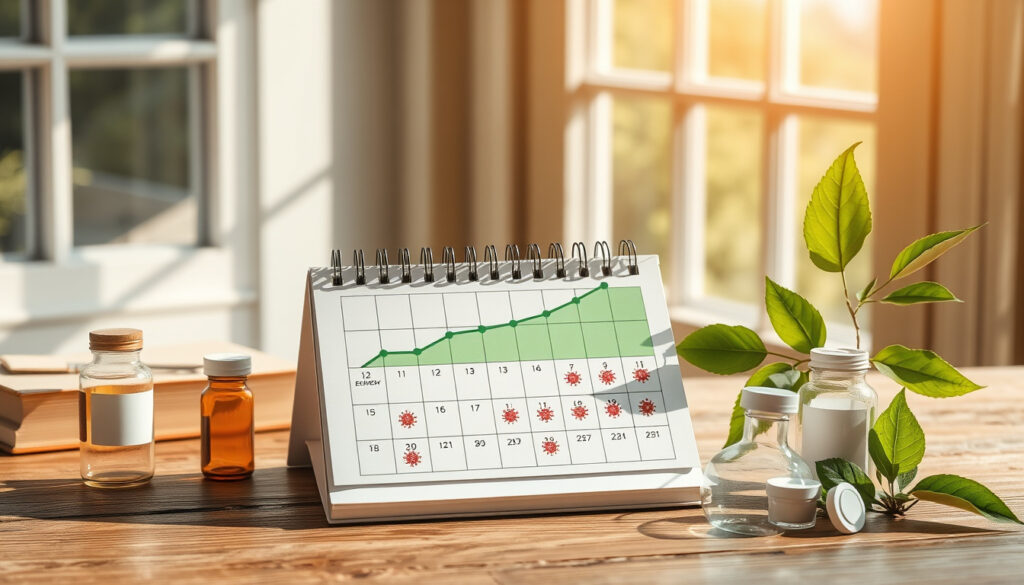
Signs COVID Is Getting Better – Timeline, Relapse & Recovery Tips
Recovering from COVID-19 involves more than simply waiting for symptoms to disappear. Understanding the specific signs that indicate improvement can help you gauge your recovery progress and determine when it is safe to resume normal activities. While recovery timelines vary considerably between individuals, several key indicators signal that your body is successfully fighting the infection. For additional guidance on managing health setbacks, explore our flu recovery tips which offer complementary strategies for supporting your immune system.
The journey back to full health after a coronavirus infection often follows recognizable patterns. Many people wonder how to tell whether they are genuinely recovering or simply experiencing a temporary lull in symptoms. Medical professionals emphasize that paying attention to specific physiological changes provides valuable clues about where you stand in the recovery process.
This guide examines the evidence-based signs that COVID is improving, addresses the possibility of relapse after initial improvement, outlines what to expect day by day, and offers practical strategies to support your recovery. The information draws from NHS sources, clinical guidance, and established medical understanding to help you navigate this challenging period with clarity.
What Are the Signs That COVID Is Getting Better?
Recognizing genuine improvement rather than temporary symptom reduction requires understanding the primary indicators that medical sources consistently identify. Several distinct signs point toward actual recovery from COVID-19 infection.
Healthcare professionals and clinical resources identify several core signs that indicate COVID-19 is genuinely getting better rather than merely fluctuating. These indicators provide a practical framework for assessing your recovery progress.
- Fever reduction represents the most reliable early sign, particularly when body temperature returns to normal without the aid of fever-reducing medications
- Systematic improvement in accompanying symptoms, including body aches, sore throat, and headaches, follows fever resolution
- Restored energy levels indicate that your immune system is successfully managing the infection
- Return of appetite and normal eating patterns signals that your body is returning to baseline function
- Improved ability to concentrate and reduced brain fog suggest neurological symptoms are subsiding
- Normalization of breathing patterns and reduced shortness of breath point toward respiratory recovery
- General sense of wellness and the ability to perform daily activities without excessive fatigue confirms continued improvement
Not all symptoms resolve at the same pace. Fatigue, headache, and breathing difficulties tend to linger longer than other symptoms, according to clinical guidance. This variation is normal and does not necessarily indicate a problem with your recovery.
| Fact | Detail | Source |
|---|---|---|
| Typical recovery duration | Most people recover within 3 weeks | Guys and St Thomas’ NHS Foundation Trust |
| Relapse possibility | Some people get worse again after initially feeling better | Guys and St Thomas’ NHS Foundation Trust |
| Mild case duration | Symptoms clear within 1 week for mild cases | BSW Health |
| Moderate symptoms | 1 to 2 weeks for recovery | UnityPoint Health |
| Severe symptoms | Up to 12 weeks for full recovery | Ada Health |
| Average mild duration | 5 to 10 days typical | BSW Health |
| Symptom range | 1 to 14 days according to WHO | World Health Organization |
| Long COVID threshold | Symptoms lasting beyond 12 weeks | Ada Health |
| Most persistent symptoms | Fatigue, headache, troubled breathing | WebMD |
| Older adults | Longer recovery time expected | GoodRx |
| Underlying conditions | Extended recovery periods likely | GoodRx |
| Initial sign | Fever reduction is typically first indicator | WebMD, Ada Health |
What Happens If COVID Relapses After Feeling Better?
A significant aspect of COVID-19 recovery that distinguishes it from many other respiratory infections involves the potential for relapse or symptom fluctuation after initial improvement. Understanding this phenomenon helps you avoid premature conclusions about your recovery status.
Understanding COVID Relapse Patterns
The NHS specifically notes that some people get worse again after they first start to feel somewhat better. This pattern contradicts the linear recovery assumption that many people hold. Rather than steadily improving day over day, COVID-19 recovery often involves periods of apparent improvement followed by renewed symptom intensity.
Medical professionals describe several factors that may contribute to this pattern. The immune response to coronavirus involves complex inflammatory processes that do not always progress smoothly. Additionally, the respiratory effects of COVID-19 can take time to fully resolve even as other symptoms improve.
Day 7 and Beyond: Critical Watchpoints
Many people report notable changes around day 7 of their illness, whether improvement or worsening. This period represents a critical watchpoint where the trajectory of the infection often becomes clearer. Those who experience relapse frequently report the return of fever, increased fatigue, or renewed breathing difficulties during this window.
The phenomenon of feeling worse on day 7 or experiencing an apparent setback after initially feeling better should not necessarily cause alarm. However, it does underscore the importance of continued monitoring and caution even after symptoms begin to ease.
If you have started feeling better but then notice symptoms returning or worsening, this may represent a normal fluctuation rather than treatment failure. Continue resting, stay hydrated, and monitor your temperature. Contact your healthcare provider if new symptoms develop, if fever returns for more than 24 hours, or if you experience increasing shortness of breath.
What Is the Day-by-Day Timeline for COVID Recovery?
While individual experiences vary considerably, COVID-19 recovery generally follows recognizable phases. Understanding these stages can help set realistic expectations and identify whether your recovery is progressing normally.
Early Infection Phase (Days 1-3)
The initial phase of COVID-19 typically involves symptom onset and early immune response. Most people develop symptoms within 1 to 5 days of exposure, though this window can extend longer in some cases. Common early symptoms include sore throat, fatigue, body aches, and often fever.
During these early days, the virus is actively replicating, and your immune system is beginning its response. Rest is particularly important during this phase to support your body’s defensive efforts.
Peak and Critical Phase (Days 4-7)
Days 4 through 7 often represent the most challenging period for people with moderate COVID-19 symptoms. Many experience their highest fever, greatest fatigue, and most pronounced respiratory symptoms during this window. Some people report initial improvement followed by worsening around this time.
The respiratory impact of COVID-19 can become more apparent during this phase, with shortness of breath and coughing potentially intensifying. Monitoring oxygen levels during this period is particularly valuable for those with risk factors.
Improvement Phase (Days 8-14)
People whose conditions are improving typically begin to notice meaningful changes between days 8 and 14. Fever typically resolves first, followed by gradual improvement in energy levels and other symptoms. Breathing difficulties generally improve steadily during this phase for those on the mend.
By the end of two weeks, many people with mild to moderate symptoms have largely recovered. However, some residual fatigue or occasional cough can persist even as more significant symptoms resolve.
Extended Recovery Phase (Weeks 3 and Beyond)
Full recovery for those with moderate symptoms often takes around three weeks, according to NHS guidance. Older adults and those with underlying health conditions may require longer periods to fully return to baseline. Some symptoms, particularly fatigue and difficulty concentrating, may persist for several weeks even as the acute infection resolves.
If symptoms persist beyond 12 weeks, you may be experiencing what medical professionals term long COVID or post-COVID condition, characterized by ongoing symptoms that extend well past the typical recovery period.
People with severe COVID-19 requiring hospitalization face significantly longer recovery timelines, potentially extending to 12 weeks or more. Those individuals may also experience ongoing lung-related issues, muscle weakness, and cognitive effects that require specialized rehabilitation.
What Are Effective COVID Recovery Tips?
Supporting your body’s recovery from COVID-19 involves practical steps that address both immediate symptom management and overall immune function. These evidence-based approaches can help facilitate faster and more complete recovery.
Prioritizing Rest and Sleep
Adequate rest forms the foundation of COVID recovery. Your immune system requires significant energy to fight the infection, and sleep deprivation compromises your body’s defensive capabilities. Prioritizing sleep and avoiding strenuous activities supports the recovery process.
Many people find that fatigue persists even as other symptoms improve. Listening to your body and allowing additional rest during this period helps prevent setbacks and supports gradual return to normal energy levels.
Maintaining Hydration
Staying well-hydrated supports immune function and helps your body clear the infection more efficiently. Fever, in particular, increases fluid requirements, making deliberate hydration important during COVID recovery. Water, clear broths, and electrolyte drinks can help maintain proper hydration.
If keeping fluids down proves difficult due to nausea, taking frequent small sips rather than large amounts at once may help. Watch for signs of dehydration, including dark urine, dizziness, and dry mouth.
Managing Symptoms Appropriately
Over-the-counter medications can help manage COVID symptoms effectively. Fever reducers such as ibuprofen or acetaminophen help control fever and reduce body aches. These medications do not cure the infection but make the recovery period more bearable.
Maintaining an upright position when coughing can help reduce discomfort and support breathing. If cough persists significantly, consulting with a healthcare provider about appropriate cough management strategies is advisable.
Keeping vaccinations up to date helps your immune system respond more quickly to the virus if you become infected, resulting in milder and shorter illness. Even after recovering from a COVID-19 infection, staying current with recommended vaccines provides important protection.
What Symptoms May Linger During COVID Recovery?
Understanding which symptoms commonly persist helps set realistic expectations and distinguishes normal recovery variation from concerning developments. Certain symptoms tend to outlast the acute phase of the infection.
Fatigue remains one of the most common lingering symptoms, affecting many people even after other symptoms have resolved. This tiredness can persist for weeks and may significantly impact daily activities and work capacity.
Headaches and difficulty concentrating, sometimes described as brain fog, frequently continue after other symptoms improve. These cognitive effects typically resolve gradually but may take several weeks to fully disappear.
Breathing difficulties can persist even as fever and other symptoms resolve. Most people find that respiratory symptoms improve steadily over time, but the pace varies considerably between individuals. Gradual improvement is expected, while sudden worsening warrants medical attention.
When Should You Seek Medical Help?
Knowing when symptoms warrant professional medical evaluation helps ensure you receive appropriate care while avoiding unnecessary healthcare system burden for mild cases.
- Contact your doctor if symptoms are severe or persist longer than a few weeks without clear improvement
- Seek immediate medical attention if you experience difficulty breathing, chest pain, or oxygen saturation below normal levels
- Medical evaluation is recommended if fever returns after initially resolving, particularly if accompanied by worsening other symptoms
- Confusion, inability to stay awake, or pale or blue-tinged skin require immediate emergency care
- If underlying health conditions make you higher risk, earlier contact with healthcare providers is advisable
Your healthcare provider can help determine whether hospitalization is necessary for severe symptoms and can provide guidance on appropriate home management strategies.
Seek emergency medical care immediately if you experience severe difficulty breathing, persistent chest pain, confusion that is new or worsening, inability to stay awake, or changes in skin color including paleness, gray, or blue coloring. These symptoms require prompt professional evaluation.
What Do We Know With Certainty About COVID Recovery?
Separating established medical knowledge from areas of ongoing uncertainty helps maintain accurate expectations during your recovery. Several aspects of COVID-19 recovery are well-documented, while others remain subjects of ongoing research.
- Fever reduction typically indicates improvement
- Most people recover within 3 weeks
- Symptoms can fluctuate during recovery
- Some symptoms persist longer than others
- Rest and hydration support recovery
- Exact reasons for symptom fluctuations
- How variants affect recovery timelines
- Individual variation in recovery patterns
- Who will develop long COVID
- Optimal duration of activity restrictions
While we know that rest and hydration support recovery, the exact optimal protocols for different severity levels remain subjects of ongoing research. Similarly, why some people experience prolonged symptoms while others recover quickly continues to be studied.
How Does COVID Recovery Compare to Other Respiratory Infections?
Understanding how COVID-19 recovery differs from other respiratory viral infections provides useful context for managing your expectations and knowing what to expect.
Unlike typical influenza, where improvement often comes relatively steadily, COVID-19 recovery more frequently involves fluctuations and apparent setbacks. The respiratory impact of COVID-19 also tends to be more significant in many cases, even with milder variants.
Long COVID represents a phenomenon more commonly associated with coronavirus infection than with other common respiratory viruses. While some people experience prolonged symptoms after influenza, this appears to occur more frequently and consistently following COVID-19 infection.
However, for most people with mild to moderate COVID-19 symptoms, the overall recovery trajectory follows similar patterns to other respiratory infections, with resolution typically occurring within a few weeks.
What Do Medical Sources Say About COVID Recovery?
Several authoritative medical sources have provided specific guidance regarding COVID-19 recovery signs, timelines, and management approaches.
“Most people get better within 3 weeks, but some people get worse again after they first start to feel a bit better.”
— Guys and St Thomas’ NHS Foundation Trust
“The first sign of recovery is usually recovering from a fever, particularly when body temperature returns to normal without fever-reducing medication. Other symptoms begin fading after fever subsides.”
— WebMD
“You should start to regain your energy levels. Most people with mild to moderate symptoms recover within 1 to 2 weeks.”
— UnityPoint Health
Key Takeaways on COVID Recovery Signs
Recognizing the signs that COVID-19 is improving involves watching for fever resolution, gradual symptom improvement, restored energy, and overall functional recovery. The typical timeline spans from a few days for very mild cases to several weeks for more significant infections.
Relapse after initial improvement occurs in some cases and should not necessarily cause alarm, though it warrants continued monitoring. Recovery is not always linear, and patience with the process supports better outcomes.
Supporting your recovery through rest, hydration, appropriate symptom management, and staying current on vaccinations helps facilitate the most efficient return to full health. For more information on related health topics, see our guide on Meniscus Tear Recovery Time.
Frequently Asked Questions
How can I tell if my COVID is actually getting better and not just pausing?
The most reliable indicator is fever reduction sustained for 24 hours without fever-reducing medication, combined with improving energy levels and gradual reduction in other symptoms over multiple days.
Is it normal to feel worse on day 7 of COVID?
Yes, experiencing changes around day 7 is relatively common. Some people feel worse during this period, while others may initially feel better before experiencing a setback. Either pattern can be part of normal recovery.
Can you recover from COVID in 3 days?
Very mild cases sometimes resolve within a few days, with an average of 5 to 10 days reported for mild infections. However, most people require at least a week or two for meaningful recovery.
How long does coronavirus stay in your system?
Active symptoms typically last 1 to 14 days according to the World Health Organization. However, some viral fragments can remain detectable longer, and recovery from all symptoms may take several weeks.
What should I do if COVID symptoms come back after feeling better?
Continue resting, stay hydrated, and monitor your temperature and symptoms. Contact your healthcare provider if fever returns, symptoms significantly worsen, or you develop new concerning symptoms such as difficulty breathing.
When can I end isolation after COVID?
You can typically end isolation when you have been fever-free for 24 hours without medication, your symptoms are improving, and at least 5 days have passed since symptoms began. However, additional precautions should continue until at least day 11.
What are the most common long COVID symptoms?
Fatigue, shortness of breath, joint pain, chest pain, brain fog, loss of taste or smell, and sleep difficulties are among the most commonly reported persistent symptoms in people with long COVID.
Does vaccination affect COVID recovery time?
Current evidence indicates that staying current with vaccinations helps your immune system respond more efficiently to the virus, resulting in milder and shorter illness for most people.
Who takes longer to recover from COVID?
Older adults, people with underlying medical conditions, and those who experienced more severe initial symptoms generally require longer recovery periods. However, recovery timelines vary significantly even within these groups.
Should I exercise during COVID recovery?
Light activity may be appropriate once acute symptoms resolve and fever has been absent for some time. However, strenuous exercise should be avoided until energy levels have substantially returned, typically several days after fever resolution.
More related posts
 What Causes Type 2 Diabetes – Science Explained
 Sagrada Familia – Complete Guide to Tickets, History and Interior
 Robert Lindsay – Full Biography, Career Highlights and Latest Updates
 Today Gold Rate in UK – Live Prices and Market Insights
 4 Horsemen of the Apocalypse – Who They Are and What They Mean
 Translate English to Tamil – Best Free Tools and Apps
 Compare Sim Only Deals – Expert Guide to Best UK Plans 2026
 Mariah Carey – Age, Net Worth, Songs & 2025 Album