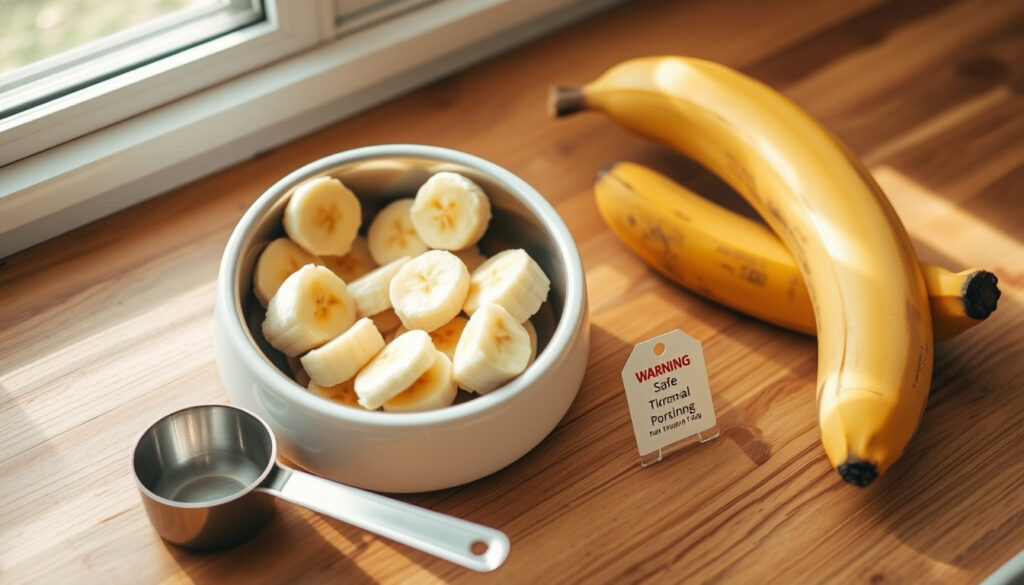
Can Dogs Eat Bananas – Safety Dosage and What to Avoid
Bananas are a familiar and popular fruit in many households, and it is common for dog owners to wonder whether they can share this sweet snack with their pets. The short answer is yes, dogs can eat bananas, but specific rules apply regarding portion size, preparation, and frequency. Veterinary sources agree that bananas are non-toxic for dogs, but the fruit’s high sugar content and the potential hazards of the peel mean that careful moderation is essential.
Feeding bananas to a dog is not as straightforward as handing over a whole fruit. The primary concerns revolve around digestive upset from too much sugar, the risk of choking on large pieces, and the danger of intestinal blockage from the peel. Understanding these factors helps ensure that a banana remains a safe and enjoyable treat rather than a cause for a trip to the vet.
This guide draws on veterinary recommendations from organizations including the AKC and PetMD, as well as pet nutrition experts, to provide a clear, fact-based overview of banana safety for dogs of all sizes. For more on safe feeding practices, explore our guide to dog nutrition basics.
Can Dogs Eat Bananas Safely?
The consensus among veterinary professionals is clear: bananas are safe for dogs when served correctly. The fruit is not listed among toxic foods by the ASPCA, and it offers some nutritional benefits, including potassium, vitamin B6, vitamin C, and dietary fiber. However, the key word is moderation. A banana should never replace a balanced dog diet and must be treated as an occasional treat.
Bananas are non-toxic and safe for dogs when fed as an occasional treat.
Limit to 1-3 thin slices per day depending on dog size. Avoid whole bananas.
Banana peels are indigestible and can cause blockages. Overfeeding leads to GI upset.
Rich in potassium, vitamin B6, vitamin C, and fiber. Supports heart and muscle health.
Key Safety Insights
- Bananas are safe but calorie-dense — one medium banana can be 10-20% of a small dog’s daily caloric needs.
- Banana peels are the primary hazard — they pose a choking risk and can cause intestinal blockages.
- Dogs generally enjoy bananas due to natural sweetness, but individual taste varies.
- Small breeds (Shih Tzu, Yorkie, Chihuahua) need stricter portion control than larger breeds.
- Green bananas have less sugar but more resistant starch, which may be harder to digest.
- The core safety rule is to keep treats, including bananas, to no more than 10% of daily calories.
- Always start with a small amount and watch for signs of digestive upset such as gas, diarrhea, or vomiting.
Quick Fact Table: Bananas for Dogs
| Fact | Detail |
|---|---|
| Safe for dogs? | Yes, in moderation |
| Max serving (small dog) | 1-2 thin slices per day |
| Max serving (large dog) | 1/2 medium banana per day |
| High risk items | Peel, whole banana, overfeeding |
| Key nutrients | Potassium, vitamin B6, vitamin C, fiber |
| Calories per 100g | 89 kcal (human-sized) |
How Many Bananas Can a Dog Eat Per Day?
Determining the correct serving size depends largely on the dog’s weight and overall diet. Veterinary sources provide consistent guidance: smaller dogs need much less, and no dog should eat a banana daily. The general rule is that bananas should be offered only occasionally, roughly two to three times per week at most, and in small pieces.
The following table summarizes portion recommendations from multiple veterinary sources, broken down by dog size. These are conservative estimates that prioritize safety.
| Dog Size | Recommended Serving |
|---|---|
| Extra-small / toy (e.g., Chihuahua) | 1–2 thin slices, or about 1/5 of a banana max |
| Small (e.g., Shih Tzu, Yorkie) | 2–4 slices, or about 1/4 to 1/3 of a banana |
| Medium (e.g., Beagle, Cocker Spaniel) | Up to half a banana, or about 5–6 slices |
| Large (e.g., Labrador, German Shepherd) | A small handful of slices, up to 3/4 to 1 whole banana |
| Giant / extra-large (e.g., Great Dane) | Up to 1 whole banana, but not daily |
Can Dogs Eat Bananas Every Day?
No, it is not recommended to feed bananas daily. The high sugar content can contribute to weight gain and may raise the risk of diabetes if given too often or in large amounts. Veterinary sources emphasize that bananas should be reserved as an occasional treat, not a daily staple. Even a small dog receiving a few slices every day could exceed the recommended 10% treat calorie limit.
How Often Can Dogs Eat Bananas?
Most sources recommend offering bananas no more than two to three times per week. This frequency keeps the sugar intake low and prevents digestive issues. For puppies, the frequency should be even lower, and any new food should be introduced one small piece at a time.
Can Shih Tzu Eat Banana Every Day?
No. Shih Tzus are small dogs, and even a few slices of banana daily can lead to weight gain and digestive upset. The recommended serving for a Shih Tzu is 1-2 small slices, two to three times per week at most. Their small size makes them more susceptible to the effects of excess sugar and fiber. For breed-specific feeding advice, see our small breed feeding guide.
For extra-small and small breeds, a few thin slices are sufficient. A whole banana or even half a banana can cause diarrhea, bloating, or more serious digestive problems. Always cut pieces to a size that cannot be swallowed whole to avoid choking.
Can Dogs Eat Banana Peels and Other Preparations?
The banana peel is the most common source of confusion and risk. While the peel itself is not toxic, it is tough, fibrous, and indigestible for dogs. If a dog swallows a piece of peel, it can cause an intestinal blockage that may require veterinary intervention. Symptoms of a blockage include vomiting, constipation, lethargy, and loss of appetite. Smaller dogs are at greater risk because their digestive tracts are narrower.
Can Dogs Eat Banana Peels?
No, banana peels are not recommended. They are difficult to digest and can cause blockages. If a dog eats a peel, owners should monitor for vomiting, constipation, or changes in behavior and contact a veterinarian if symptoms appear. There is no evidence that peels offer any nutritional benefit to dogs.
Can Dogs Eat Green Bananas?
Green bananas are safe but contain more resistant starch and less sugar than ripe bananas. This higher starch content can be harder for some dogs to digest, potentially leading to gas or stomach upset. The same portion guidelines apply: small amounts only, and the peel must still be removed. Ripe bananas are generally easier on a dog’s digestive system.
Can Dogs Eat Bananas and Peanut Butter?
Yes, this combination can be a tasty treat, but only if the peanut butter is xylitol-free. Xylitol is a sugar substitute that is highly toxic to dogs, even in small amounts. Always check the ingredient label carefully. Natural, unsalted peanut butter without added sweeteners is the safest choice. Serve a small amount of banana with a tiny dab of peanut butter as an occasional reward.
Many commercial peanut butter brands contain xylitol, which can cause rapid insulin release, leading to hypoglycemia, seizures, liver failure, or death in dogs. Always verify that the peanut butter is xylitol-free before offering it to your dog.
Do Dogs Like Bananas?
Anecdotal evidence from pet owners and veterinary professionals suggests that most dogs enjoy bananas. The natural sweetness and soft texture appeal to many dogs, making bananas a popular training treat alternative to processed options. However, individual preferences vary. Some dogs may show little interest in the fruit or may reject it due to texture or taste. There is no scientific data on the percentage of dogs that like bananas, but the consensus among sources is that it is a well-accepted treat for the majority.
It is important to note that a dog eagerly eating a banana does not mean it is safe to feed large quantities. The palatability of the fruit can lead to overconsumption if portions are not carefully controlled. Owners should always supervise the first few feedings to ensure the dog chews properly and does not attempt to swallow large pieces whole.
Feeding Response Timeline: What to Expect After Giving a Banana
Understanding the typical timeline of a dog’s reaction to eating a banana can help owners identify potential problems early. The following timeline is based on reported experiences and veterinary guidance.
- 0-15 minutes after feeding: Dog may eat eagerly. Watch for immediate allergic reactions such as itching or swelling of the face or paws.
- 30 minutes to 2 hours: Digestion begins. Possible mild gas or stomach upset if the portion was too large.
- 2-6 hours: If a banana peel was consumed, this is a critical window. Watch for vomiting, constipation, or lethargy — signs of a potential intestinal obstruction.
- 24 hours: Monitor stool consistency. Diarrhea may indicate sensitivity or overfeeding. If diarrhea persists beyond 24 hours, consult a veterinarian.
What Is Certain and What Remains Uncertain About Bananas for Dogs?
While veterinary sources agree on the basic safety of bananas, some areas carry more uncertainty than others. The table below clarifies what is well-established and what is less clear.
| Established Information | Information That Remains Unclear |
|---|---|
| Bananas are safe for dogs in moderation. Consensus across all major veterinary sources. | Whether banana peels are ever safe in very small amounts. They are not toxic but pose a real blockage risk; no study definitively quantifies the danger. |
| Bananas should not be fed daily due to sugar content and calorie density. | The exact percentage of dogs that dislike bananas. Anecdotal reports vary; no large-scale survey exists. |
| The peel is indigestible and can cause blockages, especially in small dogs. | The difference in digestibility between green and ripe bananas for dogs. Green bananas contain more resistant starch, but individual tolerance varies. |
Why Bananas Are a Unique Treat in Dog Nutrition
Bananas occupy a distinct place in canine nutrition because they offer dense caloric content without toxicity, unlike some other human foods. They are one of the few fruits that provide significant amounts of potassium and vitamin B6, which support heart function and muscle health. However, the risk of overfeeding is higher than with low-calorie alternatives like green beans or carrots. Most pet owners overestimate appropriate serving sizes, particularly for small breeds.
The UK and US guidelines on banana feeding are similar, though UK sources tend to recommend slightly smaller portions, reflecting the smaller average dog size in urban British settings. Bananas are often used as a training treat or to help with mild constipation due to their fiber content, but they should never be relied upon as a primary source of nutrition. For diabetic dogs or those prone to obesity, veterinary guidance is essential before introducing bananas into the diet.
What Veterinary Experts Say About Bananas for Dogs
Quotes from established veterinary and pet health organizations reinforce the safety guidelines. These sources provide the foundation for the recommendations in this article.
‘Yes, dogs can eat bananas! They’re packed with potassium, magnesium, and vitamin B, but should only be given in moderation.’
— AKC (2026)
‘Bananas are safe for dogs to eat. But like a lot of fruits, moderation is key.’
— PetMD (2024)
‘Yes — dogs can safely eat bananas, and most love their natural sweetness.’
— Tuggs UK (2025)
Conclusion: Are Bananas a Good Treat for Your Dog?
Bananas are a safe, nutritious treat for dogs when fed in appropriate portions and prepared correctly. The key takeaways are simple: always peel the banana, cut it into small pieces relative to the dog’s size, limit servings to a few slices a few times per week, and never offer a whole banana or the peel. For small breeds, puppies, and dogs with health conditions like diabetes or obesity, extra caution and veterinary advice are recommended. When these guidelines are followed, bananas can be a healthy and enjoyable addition to a dog’s treat rotation. For more detailed guidance on safe fruits and portion sizes, refer to Purina: Can dogs eat bananas? and PetMD: Can dogs eat bananas?.
Frequently Asked Questions About Dogs and Bananas
Can dogs eat banana peels?
No, banana peels are not recommended. They are difficult to digest and can cause intestinal blockages. If your dog eats a peel, monitor for vomiting, constipation, or lethargy and contact your vet.
Can dogs eat bananas and peanut butter?
Yes, but only if the peanut butter is xylitol-free. Many peanut butter brands contain xylitol, which is highly toxic to dogs. Use natural, unsalted peanut butter without added sweeteners.
Can dogs eat bananas every day?
It is not recommended to feed bananas daily. They are high in sugar and calories. Reserve bananas as an occasional treat (2-3 times per week max).
Can Shih Tzu eat banana every day?
No. Shih Tzus are small dogs and even a few slices of banana daily can lead to weight gain and digestive upset. Stick to 1-2 small slices, 2-3 times per week.
Can dogs eat bananas UK?
Yes, bananas are safe for dogs in the UK. Follow the same guidelines: feed in moderation, avoid the peel, and adjust portion size based on dog size. UK vets recommend the same safe practices.
Can dogs eat tomatoes?
Ripe tomatoes are generally safe in small amounts, but green tomatoes and the plant itself contain solanine, which is toxic.
Can dogs eat avocado?
Avocado contains persin, which can cause vomiting and diarrhea in dogs. The pit also poses a choking hazard. It is best to avoid.
Can dogs eat oranges?
Yes, oranges are safe in moderation. Remove seeds and peel. Too much citrus can cause stomach upset.
Can dogs eat sweetcorn?
Yes, plain cooked sweetcorn is safe. Avoid the cob as it can cause intestinal blockage.
Can dogs eat cheese?
Yes, in small amounts. Many dogs are lactose intolerant, so monitor for digestive issues.
More related posts
 Travel Insurance Compare the Market – Best Comparison Sites
 Donald Trump Jr. – Biography Family Career Net Worth
 Police Non Emergency Number – Guide to When to Call and Differences
 Best 55 Inch TV – Which One Should You Buy in 2026
 How to Stop Whooping Cough at Night – Proven Tips for Restful Sleep
 Oasis Don’t Look Back in Anger Lyrics – Full Text, Meaning & Chords
 Journey Together Card List – SV9 Top Cards, Prices & Guide
 Institute for the Study of War – Complete Guide and Analysis